

How AC Electric Motor Works – Working Principle and Key Components of AC Motors
Alternating Current (AC) motors are the backbone of modern industrial and residential machinery, seamlessly converting electrical energy into reliable mechanical motion. Whether you are an engineer, a procurement specialist, or a DIY enthusiast, understanding how an AC electric motor works is essential for selecting the right equipment and optimizing performance. This guide breaks down the fundamental principles, key components, starting methods, and top-tier industrial solutions like the Y2 series.
The Core Principle: Electromagnetic Induction
At the heart of every AC motor lies the principle of electromagnetic induction. When alternating current flows through the stationary outer part of the motor (the stator), it generates a continuously rotating magnetic field. This magnetic field sweeps past the inner rotating part (the rotor), inducing an electrical current within it. The interaction between the stator's magnetic field and the rotor's induced magnetic field creates electromagnetic torque, forcing the rotor to turn and drive the connected machinery.
Because the rotor's rotation relies on this induced current rather than a direct electrical connection, most AC motors are classified as induction motors or asynchronous motors.
Key Components: Stator and Rotor
To fully grasp how an AC electric motor works, one must understand its two primary components:
1. The Stator
The stator is the stationary outer frame containing a laminated iron core and copper wire windings. In a three-phase AC motor, these windings are positioned exactly 120° apart. When energized, they create the rotating magnetic field that drives the motor. The stator acts as both the armature and the field winding, receiving power directly from the AC supply.
2. The Rotor
The rotor is the rotating inner component mounted on a shaft. Unlike DC motors, it has no direct electrical connection to the power source. There are two main types of AC motor rotors:
- Squirrel Cage Rotor: Made of aluminum or copper bars shorted by end rings. It is robust, simple, and requires minimal maintenance. The rotor continuously tries to "catch up" to the stator's magnetic field but always lags slightly behind—a phenomenon known as slip. Without slip, no torque would be generated.
- Wound Rotor (Slip Ring): Features windings connected to slip rings and brushes. This design allows for external resistance to be added, providing precise control over starting torque and speed, making it ideal for heavy-duty industrial applications.
How to Start an AC Electric Motor
Starting an AC motor requires managing high initial inrush currents to prevent electrical and mechanical damage. Various starting methods are employed based on the application:
- Direct-On-Line (Contactor/Manual Starter): Simple on/off control for smaller motors.
- Star-Delta Starter: Initially connects windings in a "Star" configuration to reduce voltage and starting current, then switches to "Delta" for full-power operation.
- Auto-Transformer Starter: Uses taps to reduce starting voltage, allowing adjustable torque and current.
- Rotor Impedance Starter: Adds external resistance to the rotor circuit via slip rings to maximize starting torque, gradually reducing it as the motor accelerates.
- Soft Starters: Electronically ramp up voltage for a smooth, stress-free acceleration, significantly reducing mechanical wear.
Residential vs. Industrial AC Motors
The electrical supply dictates the motor design. Single-phase AC motors are standard in residential settings (e.g., fans, washing machines) due to typical household wiring. Conversely, three-phase AC motors dominate industrial environments because they provide a more consistent rotating magnetic field, resulting in higher efficiency, self-starting capabilities, and robust performance for heavy machinery like conveyors and compressors.
Industrial Solution: The Y2 Series Asynchronous Motor
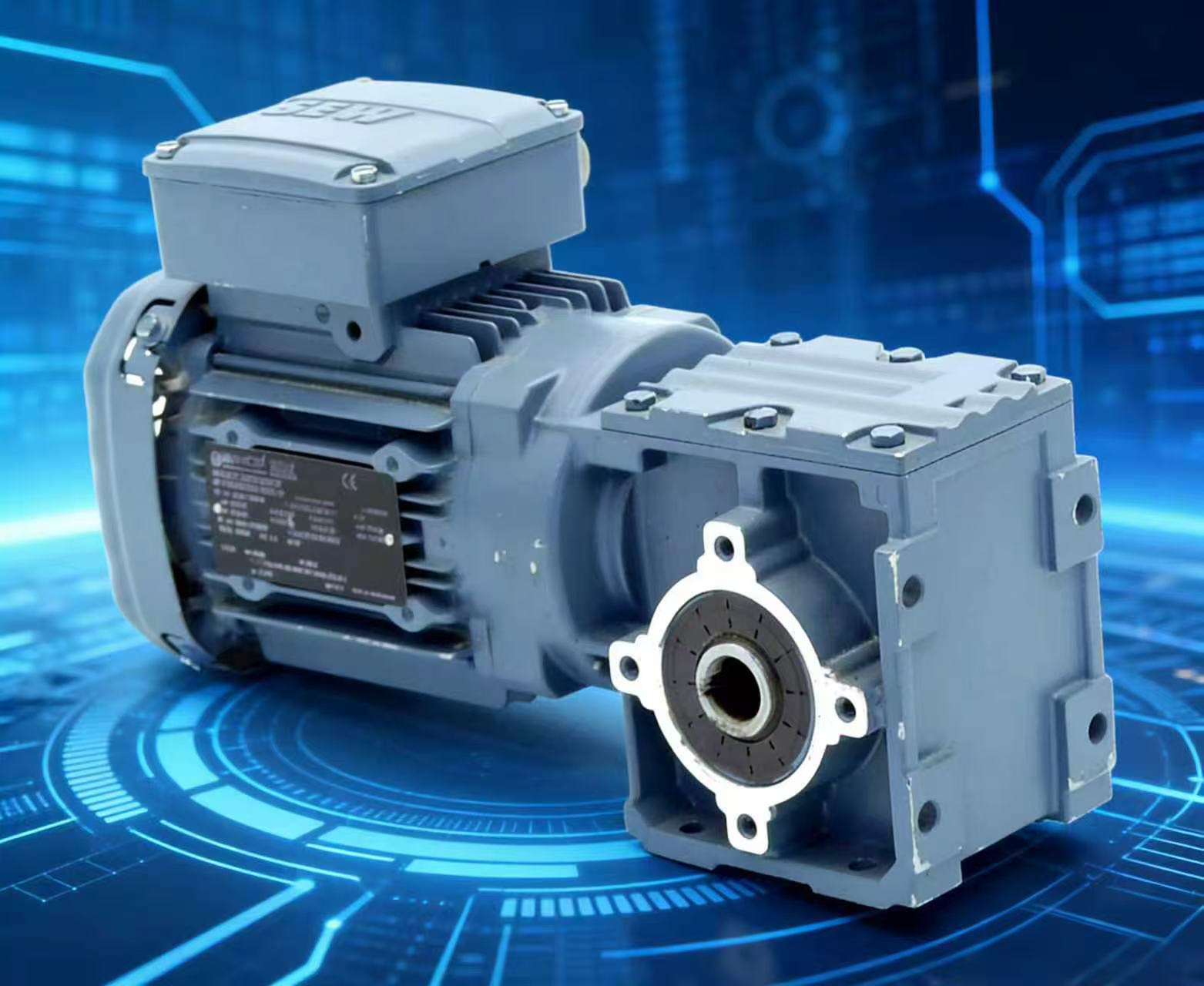
For businesses seeking reliable bulk procurement, understanding motor specifications is crucial. The Y2 Series Asynchronous Motor (center height H80-355mm) stands out as a premier choice for industrial and commercial applications. Building upon the trusted Y series, the Y2 motor offers significant upgrades:
- Enhanced Performance: Delivers higher power output and increased starting torque.
- Superior Protection: Features an upgraded IP54 protection class and F-class insulation for extended lifespan in harsh environments.
- Efficient Cooling: Utilizes an IC411 cooling method and a noise-reduced, fully enclosed, self-fan-cooled design.
- Standard Compliance: Meets strict IEC standards for power levels and installation dimensions.
Conclusion
Understanding how an AC electric motor works empowers you to make informed decisions, from troubleshooting basic operations to sourcing heavy-duty industrial equipment. Whether you require a simple single-phase motor for home use or a rugged three-phase squirrel cage motor like the Y2 series for factory operations, AC motors provide unmatched reliability and efficiency. Investing in high-quality, fully enclosed asynchronous motors ensures optimal performance, reduces long-term maintenance costs, and keeps your operations running smoothly.