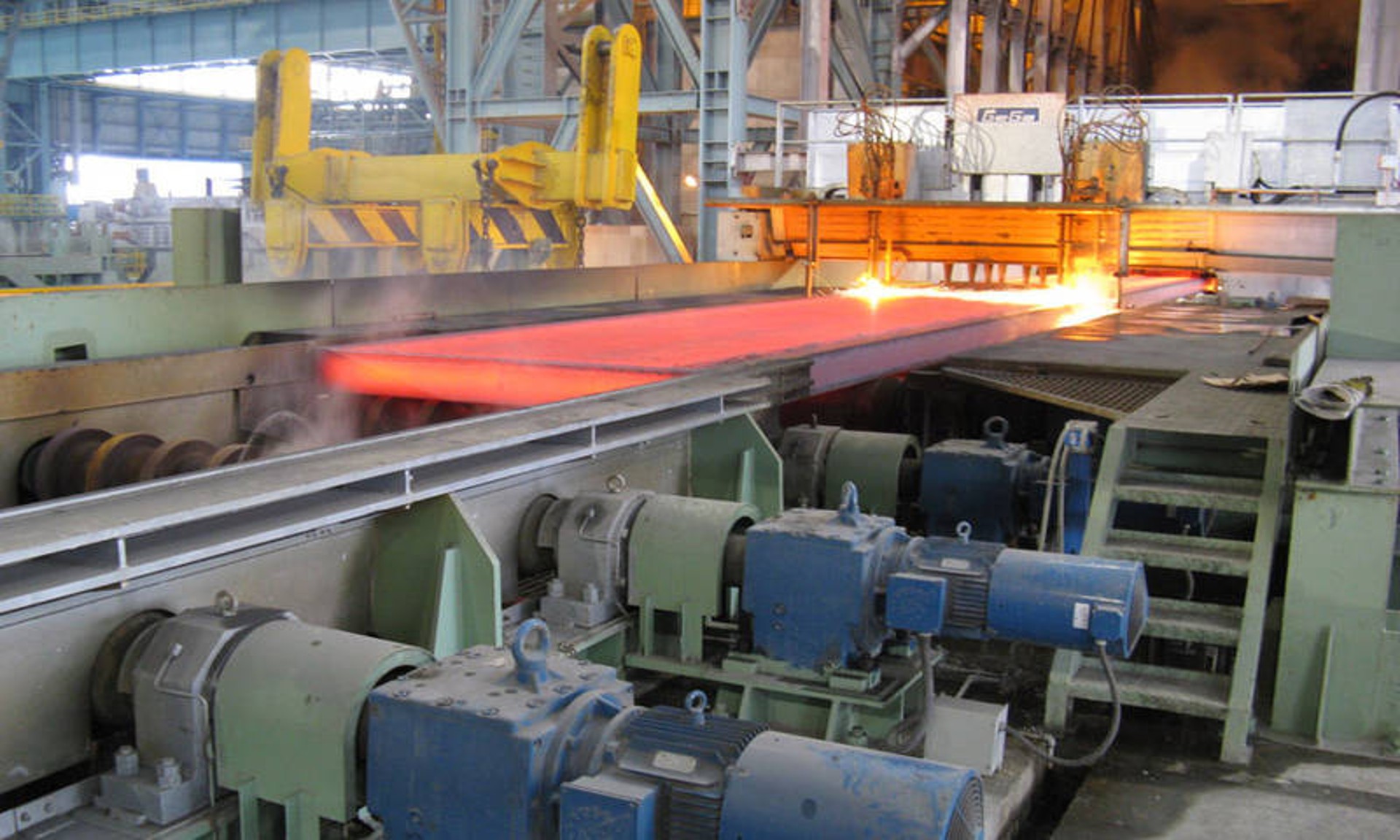


Synchronous vs Asynchronous Electric Motors: A Comparison of Uses
Synchronous vs Asynchronous Electric Motors: Applications, Features, and Key Differences
Electric motors power countless industrial, commercial, and residential applications. Among the vast array of available technologies, synchronous and asynchronous (induction) motors stand out as the two most commonly used types. Each motor type offers distinct features, benefits, and best-use cases depending on specific application requirements. In this article, we’ll explore the fundamental differences between synchronous and asynchronous motors and examine where they are most effectively utilized.
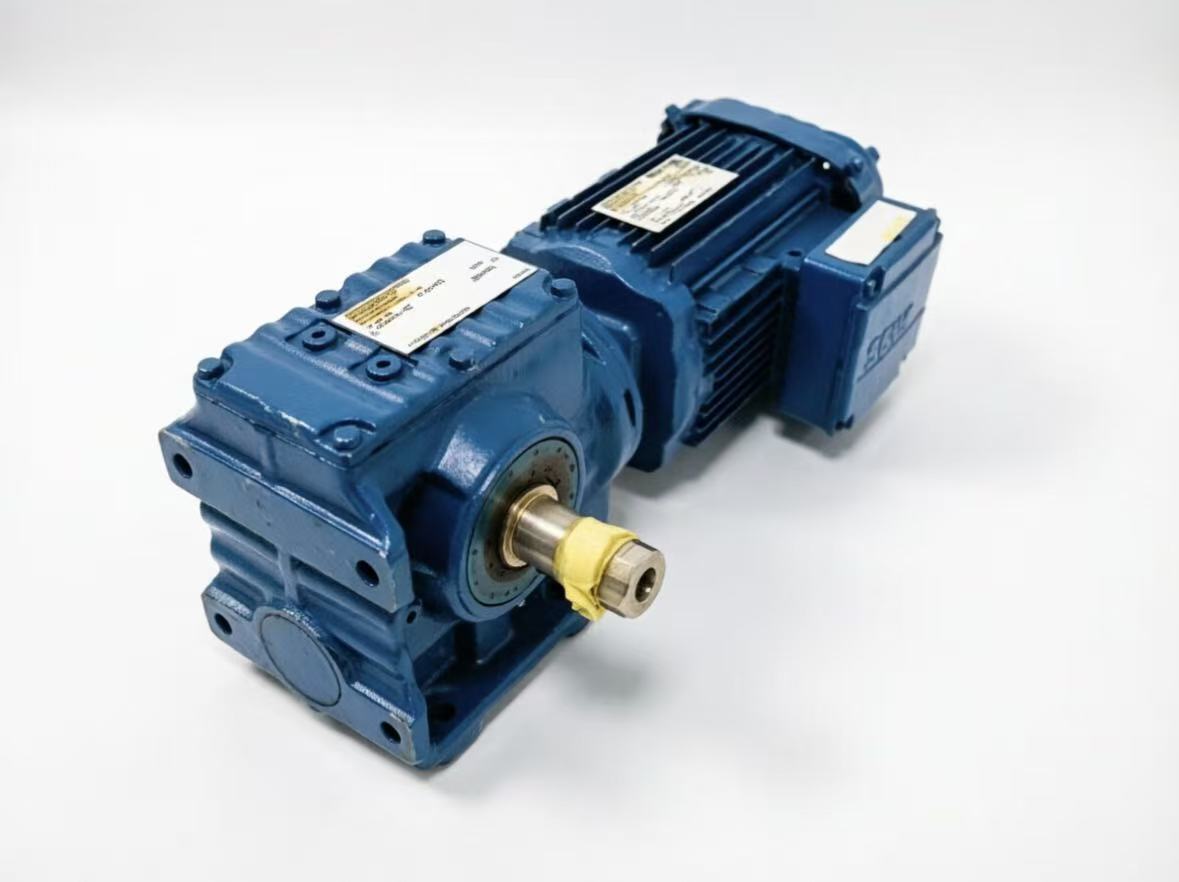
Synchronous vs Asynchronous Electric Motors: How They Work
A synchronous motor is an AC motor capable of generating exact synchronous speed. In this design, the rotor rotates at the precise same speed as the stator's rotating magnetic field, achieving perfect synchronization. The basic working principle involves supplying current to the stator windings to generate a rotating electromagnetic field. To lock the rotor's direction and position to the stator's field, an external DC power supply is typically required to energize the rotor windings (or permanent magnets are used). Because of this magnetic interlock, the motor must run at synchronous speed or not run at all.
Conversely, the asynchronous motor (also known as an induction motor) operates on the principle of electromagnetic induction but lacks an external exciter. The rotor does not receive electrical energy through direct conduction. Instead, the changing electromagnetic field from the stator induces a current in the rotor. Because there is no external device to force the rotor to match the stator's field speed, the rotor must rotate slightly slower than the stator's magnetic field to maintain this induction. This speed difference is known as "slip," which is why these motors are termed asynchronous.
Key Features and Applications
Synchronous Motors
- Precise Speed Control: Because they run at a constant speed strictly determined by the supply frequency and number of poles, they are ideal for applications requiring fixed speeds, such as precision robotics, clocks, and timing devices.
- High Efficiency: They achieve high efficiency, especially at high loads, because they operate without slip losses.
- Power Factor Control: They can adjust the power factor in an electrical system (operating at leading, unity, or lagging), which improves overall energy efficiency and reduces utility costs.
- Asynchronous (Induction) Motors
- Simplicity and Durability: With a simpler design (often utilizing a rugged "squirrel cage" rotor) and fewer moving parts, they are highly robust and require low maintenance.
- Scalability: Available in a massive range of sizes, they can power everything from small household fans to large industrial conveyors.
- Cost-Effectiveness: Due to their simple construction, high reliability, and lack of need for external excitation, they are generally much more affordable than synchronous motors.
- Synchronous vs Asynchronous Electric Motors: Advantages and Disadvantages
- When choosing between these two technologies, several operational differences must be considered:
- Speed and Load: Synchronous motors run at a constant speed independent of the load. Asynchronous motors, however, will experience a slight decrease in speed as the load increases due to slip.
- Power Factor: Synchronous motors can operate with leading, unity, or lagging power factors, making them excellent for power correction. Asynchronous motors always operate with a lagging power factor, which can drop significantly under light loads.
- Starting Mechanism: Synchronous motors are not self-starting and require external DC excitation and a starting mechanism. Asynchronous motors are self-starting and can begin operating simply by applying AC power.
- Voltage Sensitivity: Unlike asynchronous motors, whose torque is proportional to the square of the voltage, the torque of a synchronous motor is not as severely affected by voltage fluctuations, providing better stability during grid dips.
- Cost and Complexity: Synchronous motors are more expensive and mechanically complex. Asynchronous motors are cheaper, simpler, and highly user-friendly.
- Speed Range: Synchronous motors are particularly suitable for low-speed, high-torque drives (like crushers, rotary kilns, and variable-speed ball mills) because their power factor can be adjusted to 1.0. Using high-power electronic converters, they can also run at ultra-low speeds. Asynchronous motors are generally most useful for standard speeds above 600 RPM.