Induction Motors vs Synchronous Motors What Are The Main Differences
Thursday, August 13, 2026
When selecting an AC motor, understanding the differences between Induction and Synchronous motors is crucial. While both convert electrical energy into mechanical energy, their operating characteristics, costs, and applications differ significantly.
1. Operating Principles
Induction Motors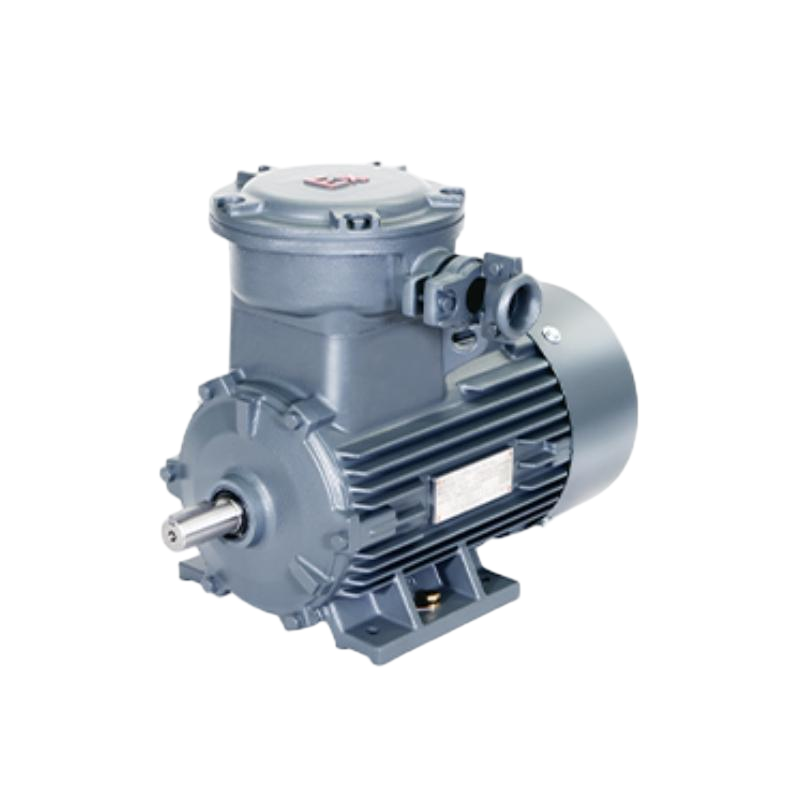 Induction motors are the workhorses of the industry, prized for their simple structure consisting of an external stator and an internal rotor.
- How it works: Alternating current (AC) passes through the stator coils to create a Rotating Magnetic Field (RMF). This field induces an opposite magnetic field in the rotor, causing it to turn.
- The "Slip": Crucially, the rotor rotates slightly slower than the RMF as it constantly "catches up." This speed difference is called slip, making these motors asynchronous. Because of this slip, they are not suitable for precise timing applications.
- Synchronous Motors
Synchronous motors are designed to eliminate slip. - How it works: The magnetic poles of the stator and rotor are locked together, forcing the rotor to spin at the exact same frequency as the input AC current.
- Precision: With zero slip, the output rotational frequency perfectly matches the input frequency, making them ideal for precision timing applications (e.g., clocks, record players).
2. Key Differences at a Glance
| Feature | Induction Motors | Synchronous Motors |
|---|---|---|
| Complexity & Cost | Simple construction; cheaper to manufacture, install, and maintain. | Complex rotor and circuitry; higher initial cost and maintenance. |
| Starting Mechanism | Self-starting. Can start from a standstill without extra help. | Not inherently self-starting. Typically requires a motor starter to reach full speed. |
| Efficiency & Power | Lower power density; energy is lost due to slip. | Higher efficiency (>90%) and power density due to no slip. |
| Speed Control | Relatively easier to manage in various speeds. | Speed is rigid; requires an AC motor controller to adjust. |
| Applications | Household appliances, electric cars, general industrial machinery. | Precision timing devices, crushers, mills, grinders (low-speed, high-power). |
3. Which One Should You Choose?
Choose an Induction Motor if:
- Budget is a priority: They are significantly cheaper upfront and require fewer peripherals.
- Simplicity is key: You need a rugged, low-maintenance motor that is self-starting.
- General application: You don't require precise timing or extreme power density.
- Choose a Synchronous Motor if:
- Precision is mandatory: Your application relies on exact speed synchronization (no slip).
- Space and Efficiency matter: You need high power density in a compact size or want to maximize energy efficiency (often >90%).
- Heavy-duty tasks: You are dealing with low-speed, high-power applications like crushers or rolling mills.
- Long-term investment: While more expensive initially, the energy savings and power factor correction may offset the cost over the motor's lifecycle.