

How to Maximize the Performance of an Efficiency Electric Motor
An electric motor generates internal force through interactions between electric current and magnetic fields within its windings, converting electrical energy into mechanical energy. A generator completes the reverse conversion by turning mechanical energy into electricity, and electromagnetism forms the fundamental working principle for electric motors.
Electric motor efficiency, marked by the symbol η, describes motor performance as the ratio of motor output to input. It represents the proportion of shaft output power relative to input power.
It can be calculated with these formulas:
Electric motor efficiency = motor output power / motor input power
η = output / (output + losses)
No machine can operate free of losses. As a result, the output power of an electric motor is always smaller than its input power.
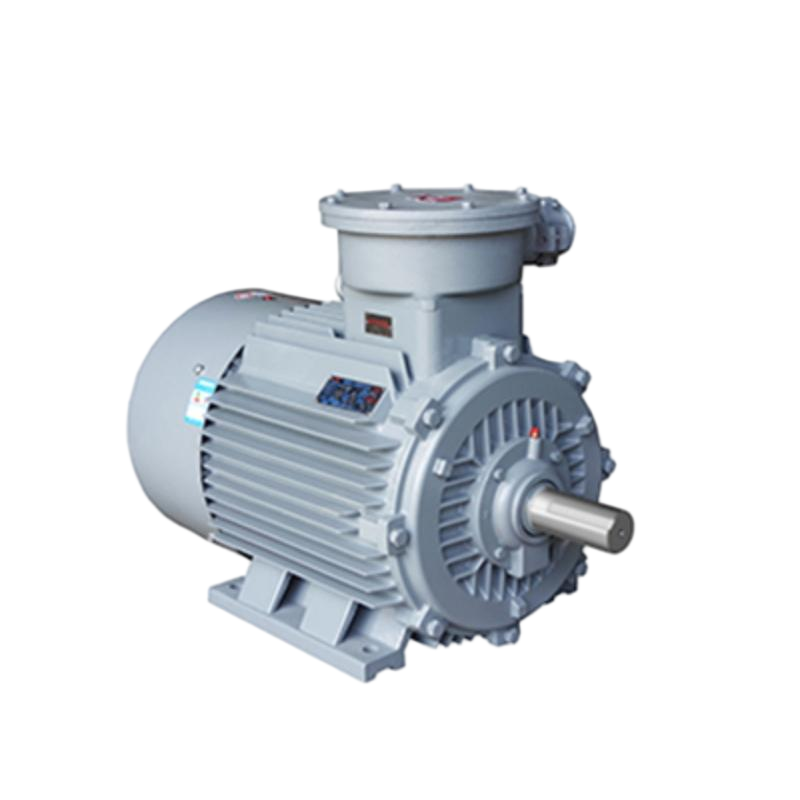
Electric motors produce different kinds of losses while converting energy, including resistive losses, mechanical friction losses, core magnetic dissipation losses and extra losses brought by different applied materials. A range of practical methods can be adopted to raise electric motor efficiency.
Good heat dissipation supports better motor efficiency. The motor frame mechanically protects internal windings and provides mounting bases. More importantly, it transfers heat generated inside the motor to outer surfaces, where blowing air from the fan removes excess heat. Well‑managed heat release reduces thermal losses.
The stator is a critical part for synchronous electric motors and creates around 60 percent of total losses. Increasing the mass of stator windings helps cut resistance and lower losses. High‑efficiency electric motors use 25 percent more copper than standard‑efficiency models.
Rotor losses rank as another main loss type and are closely related to motor slip. Reducing slip improves electric motor efficiency, which requires higher electrical conductivity for rotors. Copper fits this requirement due to its good conductivity, and modern die‑casting technology makes die‑cast copper rotors available for practical use.
Lubrication work needs proper handling. Lubrication cycles are determined by motor rated speed, bearing size, grease type and operating temperature rise. Different grease types should never be mixed even if they share similar components. Inappropriate grease selection will damage overall motor performance.
Core stacked sheets can also be optimised. Silicon‑containing steel laminations replace low‑cost carbon steel to weaken hysteresis and magnetic saturation, so core losses drop. Thinner and longer laminations further minimise magnetic flux density and core losses to lift electric motor efficiency.